
Popular Route
Manhattan to JFK Sprinter van, mini coach & car service
Manhattan to JFK is a deceptively variable run — Queens-bound traffic, Belt Parkway incidents, and JFK terminal access can swing arrival time by 30+ minutes. Our NYC to JFK car service for groups handles it with a single chauffeured vehicle (sprinter van rental, mini bus, or 24/29/36-passenger mini coach) instead of separate rideshares. We monitor live conditions and route via the LIE/Van Wyck or Belt Parkway depending on what's faster on the day of your trip.
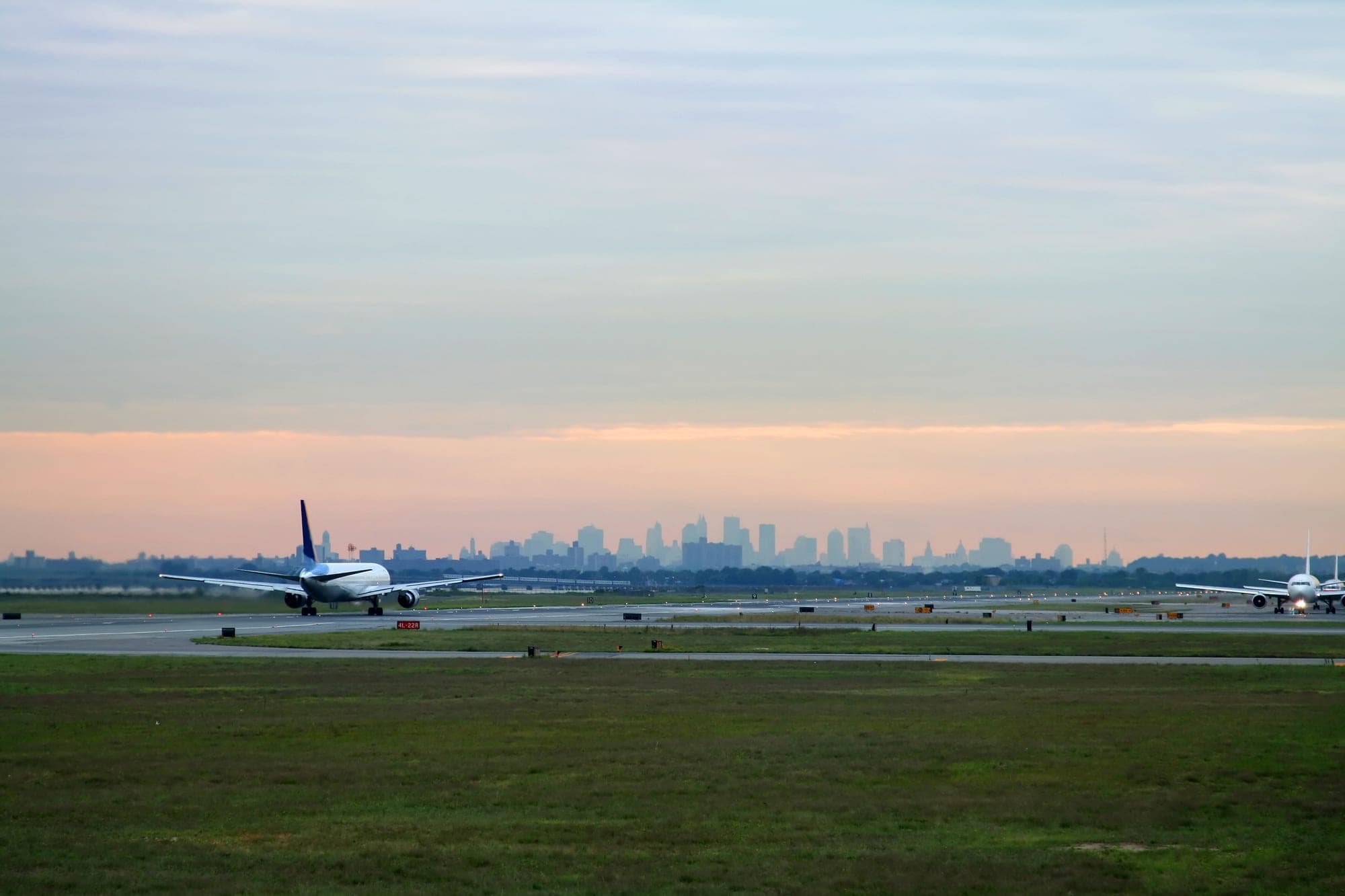
Fleet for trips like this
Real vehicle classes from our garage—tap through for capacities, interiors, and how each size stages at venues and airports.
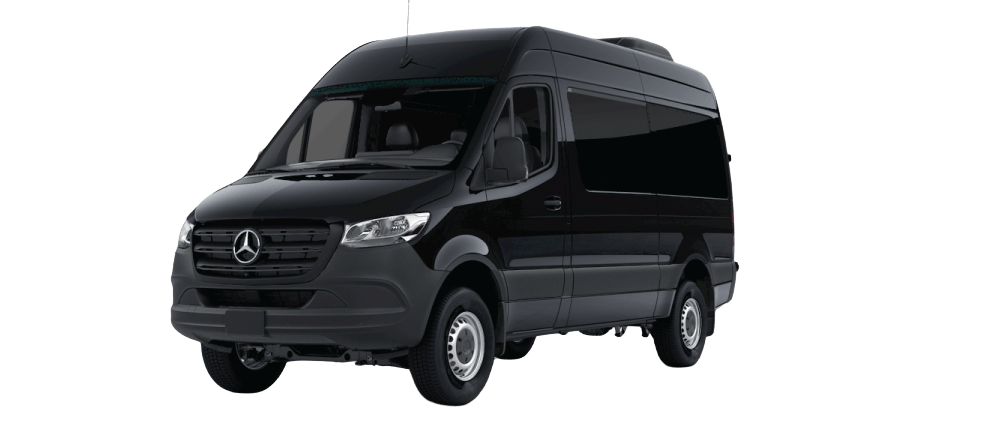
Mercedes Sprinter
Executive sprinter van rental with driver for up to 14 — airports, roadshows, and tight urban venues.
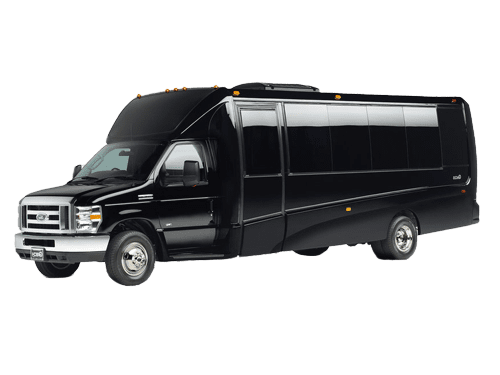
24-passenger mini coach
Mid-size mini coach / mini bus rental — teams, schools, and weddings in the 20–25 passenger range.
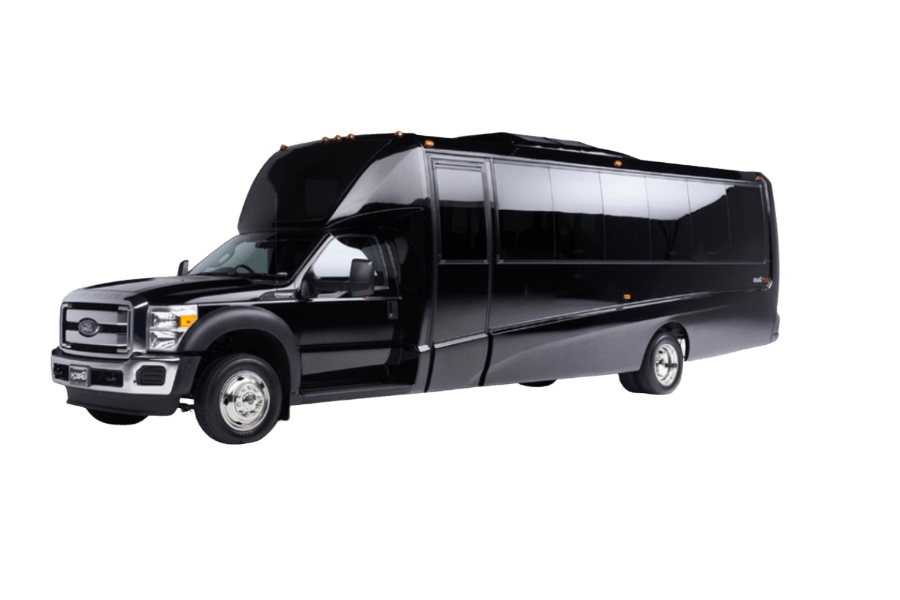
29-passenger mini coach
Medium-large groups — 28–30 passenger mini coach for corporate shuttles, tours, and event moves.
Services that pair with this
How we structure the day—airport, hourly, point-to-point, corporate, and events—all with the same chauffeured fleet.
Airport transfers
Group airport car service to EWR, JFK, LGA, and Teterboro — sprinter van and mini coach pickups built for luggage and tight schedules.

Corporate travel
Corporate sprinter van rental, mini coach shuttle service, and executive car service — meetings, roadshows, and team movements with invoicing.
Events & special occasions
Wedding shuttle bus service, sprinter van rental, and mini coach charter — vehicles sized to your guest count.
Service areas & corridors
Neighborhood context, staging notes, and the airports and venues we connect from each hub.
Route at a glance
Origin: Manhattan, NY.
Destination: John F. Kennedy International (JFK).
Drive time: 45–75 minutes off-peak; 90–120 minutes in heavy traffic.
Distance: ~17 miles via the Midtown Tunnel and Van Wyck Expressway.
Drive logistics
From midtown we typically take the Queens Midtown Tunnel to the Long Island Expressway and onto the Van Wyck Expressway south to JFK. From lower Manhattan the Brooklyn-Battery Tunnel and Belt Parkway is often faster off-peak.

Off-peak the run is 45–75 minutes; during weekday peaks plan 90–120 minutes.
Group fit
Sprinter vans handle small executive groups and families. Mini coaches handle wedding-block transfers, conference shuttles, and team travel where multiple SUVs would split the group across cars.

Pickup and dropoff specifics
JFK is a multi-terminal airport—when booking departures, share the airline (and ideally the flight number) so the driver routes to the correct terminal directly. For arrivals we use commercial passenger pickup or meet-and-greet at baggage claim.
Running Manhattan ↔ JFK with one chauffeured vehicle
This corridor is one we operate often: timing depends on day of week, tunnel backups, event traffic, and whether your group needs extra pickup or drop-off minutes. A single Sprinter or mini coach keeps billing, communications, and luggage in one place—useful when you are herding executives, wedding guests, or a team with gear.
When you request a quote for Manhattan ↔ JFK, include headcount, every bag category that is unusual (strollers, trade-show cases, sports equipment), and whether you need meet-and-greet or curbside staging. We route against typical delay patterns rather than best-case GPS estimates so your schedule has breathing room.
Compare other corridors on the popular routes hub, or call +1 (800) 249-9214 if departure is inside twenty-four hours.
Dispatch and quoting notes for Manhattan ↔ JFK
When teams first price chauffeured capacity tied to Manhattan ↔ JFK, the instinct is to optimize for the shortest line-item. NJ Sprinters builds quotes around the day as it actually behaves: tunnel variability, venue curb rules, flight banks, hotel motor-court clearance, and whether one Sprinter can realistically load everyone without a second wave. That operational specificity is why two groups traveling near Manhattan ↔ JFK can receive different vehicle recommendations even when passenger counts look similar on paper.
Mercedes Sprinter vans cover most executive-size moves and many wedding parties, especially when boarding happens at a single hotel or office. Mini coaches enter the picture for Manhattan ↔ JFK whenever twenty-four to thirty-six people, trade-show freight, or sports luggage need one climate-controlled cabin instead of a convoy of smaller vans. We avoid suggesting oversize highway coaches for work that belongs in a Sprinter class because parking, turn radii, and loading zones punish the wrong silhouette.
Timing buffers are not padding—they protect the reputation of whoever owns the run sheet attached to Manhattan ↔ JFK. Morning crossings into Manhattan, Hudson River parallel routes, and post-event stadium lets-outs all have recurring choke patterns. Dispatch schedules against those patterns, not best-case traffic bots, and we document the assumptions that accompany your quote so accounting and travelers share the same expectation before wheels roll.
Billing transparency matters when Manhattan ↔ JFK includes wait time, extra stops, or driver standby that accrues after doors open. Published policies summarize how we treat holding minutes, cancellations, and after-hours changes; your written quote is still the authoritative package for a specific date. If something about Manhattan ↔ JFK is non-standard—split pickups, security escorts, or overnight driver rest—we call that out early instead of folding it into a vague “miscellaneous” line.
Corporate roadshows, film moves, and alumni weekends use the same fleet as wedding guests tied to Manhattan ↔ JFK, but communications protocols differ. Executive itineraries often need named dispatch contacts and tight escalation paths. Social events prioritize photo windows and elderly-accessible boarding. Tell us which mode you are in when you reference Manhattan ↔ JFK so the chauffeur briefing matches how your stakeholders evaluate success.

Geography around Manhattan ↔ JFK still sits inside NJ Sprinters’s core tri-state rhythm, but “local” is not interchangeable with simple. Neighborhood street hierarchies, bus-only lanes, construction detours, and hotel policies on motor-coach height all change staging plans. The more precise your addresses and door times for Manhattan ↔ JFK, the fewer assumptions we must carry—and the faster operations can confirm an accurate vehicle class.
Flight numbers, tail numbers (when permitted), terminal hints, and meeting-point photos all reduce ambiguity for airport-adjacent legs connected to Manhattan ↔ JFK. If commercial curb police rotate zones mid-season, we adjust staging instructions; if your party needs interior meet-and-greet because of language or mobility needs, say so when quoting Manhattan ↔ JFK so we reserve the right curb window or lobby coordination time.
Luggage honesty is the fastest way to right-size Manhattan ↔ JFK. Sprinters swallow garment bags and roller boards efficiently until someone adds skis, road cases, or wagon loads of floral installations. Mini coaches buy headroom and bay space; pretending excess freight fits a Sprinter only creates last-minute upgrades at the hotel ramp. Mention outsized pieces when you describe Manhattan ↔ JFK, even if counts are approximate.
Communication during live movement runs through dispatch radios and approved driver numbers—not ad-hoc personal cell traffic that bypasses logging. For Manhattan ↔ JFK, that discipline keeps relief vehicles, late guests, and security holds synchronized. Clients who loop +1 (800) 249-9214 for live changes get routed into the same dispatch thread so nobody is negotiating curb rules in parallel text chains.
Peak Saturdays, holiday weeks, and major arena calendars compress availability across the corridor that touches Manhattan ↔ JFK. Early holds help, especially when multiple contracts compete for the same Sprinter or twenty-nine-seat coach class. If your date for Manhattan ↔ JFK flexes by a day, mention backup options—sometimes shifting twenty-four hours unlocks the exact vehicle configuration you want without compromising budget.

After you review fleet photography, service mode articles, and the FAQ, the fastest path to a binding answer remains a structured quote request with stops, times, and headcount for Manhattan ↔ JFK. Phone remains best inside twenty-four hours of travel because verbal dispatch can bypass asynchronous queues. Either channel anchors Manhattan ↔ JFK to the same operations team; choose based on urgency and how finalized your itinerary is.
Rain plans, flight cancellations, and convention hall overruns all stress Manhattan ↔ JFK schedules built too tightly. NJ Sprinters prefers conservative pickup windows so one upstream delay does not cascade into missed doors; when your window truly cannot move, tell us during quoting so we can discuss standby pricing or secondary drivers rather than improvising at the curb.
Door-to-door timing for Manhattan ↔ JFK assumes realistic passenger loading—not everyone arrives at the lobby simultaneously. Sports teams and wedding parties especially benefit from staggered boarding plans we outline before departure so photography, credential checks, or bag searches do not erase your cushion.
Mini coach height and length clearances occasionally disqualify certain hotels or Midtown garages when Manhattan ↔ JFK routes through tight infrastructure. Share loading dock notes, overhead clearance restrictions, and whether valets permit oversized vans so we do not discover a conflict minutes before pickup.
International arrivals tied to Manhattan ↔ JFK may require multilingual signage or interior meet-and-greet because cellular handoffs lag behind landed passengers. Mention language preferences and whether first-time visitors need extra guidance—dispatch prints briefs accordingly.

Film, television, and touring productions referencing Manhattan ↔ JFK often carry carnets, bonded freight, or union call times that influence staging. Those riders belong in the quote thread early; they change where vehicles wait and how long drivers remain on standby.
Universities, churches, and historic estates around Manhattan ↔ JFK sometimes restrict diesel idling or cap simultaneous buses. Compliance avoids fines that would otherwise appear as chargebacks; venue contacts supplied upfront keep everyone aligned.
Medical congresses and pharma meetings involving Manhattan ↔ JFK may demand nondescript vehicles or minimized logos. Flag branding sensitivities when requesting pricing so ops assigns plain wraps or removes exterior markings where policy allows.
Late-night returns from Manhattan ↔ JFK can intersect with subway maintenance diversions or PATH adjustments that multiply street traffic. Overnight quotes factor driver fatigue rules and potential relay swaps—another reason blanket internet calculators rarely match final paperwork.
Charters spanning multiple days around Manhattan ↔ JFK require explicit overnight parking, hotel drops for drivers, and federal rest expectations baked into the rate. Omitting those nights inflates surprise line items; multi-day itineraries should list each terminal night upfront.
Accessibility requests for Manhattan ↔ JFK—wheelchair lifts, step stools, extra dwell time at each stop—alter dwell math and sometimes vehicle assignment. Sprinter-class lifts exist on select builds; mini coaches may fit better when twelve-plus seated passengers also need aisle width.
Alumni weekends and Greek-life events tied to Manhattan ↔ JFK occasionally involve simultaneous pickups across campuses; radio sequencing prevents convoys from blocking narrow gates. Provide maps or pins when addresses repeat building names that confuse GPS.
Snow and ice protocols for Manhattan ↔ JFK shift curb priorities—operators may need alternate snow lanes at Newark or JFK while Manhattan bridges throttle speeds. Winter quotes assume seasoned tires and trained drivers; unrealistic “summer ETA” promises help nobody.
Carbon-emissions sensitivity around Manhattan ↔ JFK sometimes steers planners toward consolidating riders into one coach rather than several SUVs—even when budget allows sedans. Fewer engines moving the same headcount matches many corporate ESG narratives without sacrificing door-to-door service.
Frequently asked
- How early should we leave Manhattan for an international flight?
- We recommend a 3.5-hour buffer before departure for international flights from JFK during weekday peaks, and 3 hours otherwise. Shorter for off-peak weekend mornings, but always factor TSA wait times.
- Do you handle terminal-to-terminal transfers at JFK?
- Yes—if your group has a connection requiring vehicle transfer between terminals, we can stage that. Most JFK terminals are connected via AirTrain, but a private vehicle helps with luggage and group cohesion.
- How do I get a quote for this route?
- Use the Request a Quote form with your pickup address, destination, date, and group size. We respond with availability and pricing—usually within the same business day.
- Do you handle multiple pickup stops along the route?
- Yes. Multi-stop pickups are common for corporate roadshows, bridal-party assemblies, and group transfers. Add each stop to the quote so we can build an accurate itinerary.
- Is gratuity included in the quote?
- No—standard practice in our market is to tip the chauffeur 18–22% of the run. We can add gratuity to the invoice on request for corporate billing.
Ready to plan this trip? Request a quote—we'll confirm availability before anything is booked.